 +256 703186428
  +256 760463258
  info@mzangasafaris.com | michaelwamala4@gmail.com
Ngorongoro Crater Conservation Area
The Ngorongoro Crater Conservation Area is one of Tanzania’s most spectacular safari destinations, offering travelers an unforgettable wildlife experience in the heart of East Africa. Renowned for its breathtaking scenery, rich biodiversity, and extraordinary geological significance, this UNESCO World Heritage Site is a must-visit for anyone seeking an authentic African safari adventure with Mzanga Safaris.
Located between the world-famous Serengeti National Park and Lake Manyara, the Ngorongoro Conservation Area spans approximately 8,300 square kilometers. The region encompasses several remarkable attractions, including Olduvai Gorge, Lake Ndutu, Lake Masek, and a chain of volcanic mountains, many of which are dormant.
At the center of this conservation area lies the iconic Ngorongoro Crater — the world’s largest intact volcanic caldera. Measuring approximately 610 meters deep and covering around 260 square kilometers, the crater forms a natural sanctuary for an incredible concentration of wildlife. Often visited as part of a Serengeti safari circuit, the crater offers visitors stunning landscapes and exceptional game viewing opportunities on the journey back to Arusha.
Beyond the crater, the region also features Lake Natron, an alkaline lake famous for attracting thousands of flamingos, especially after the rainy season.
Wildlife Encounters in Ngorongoro Crater
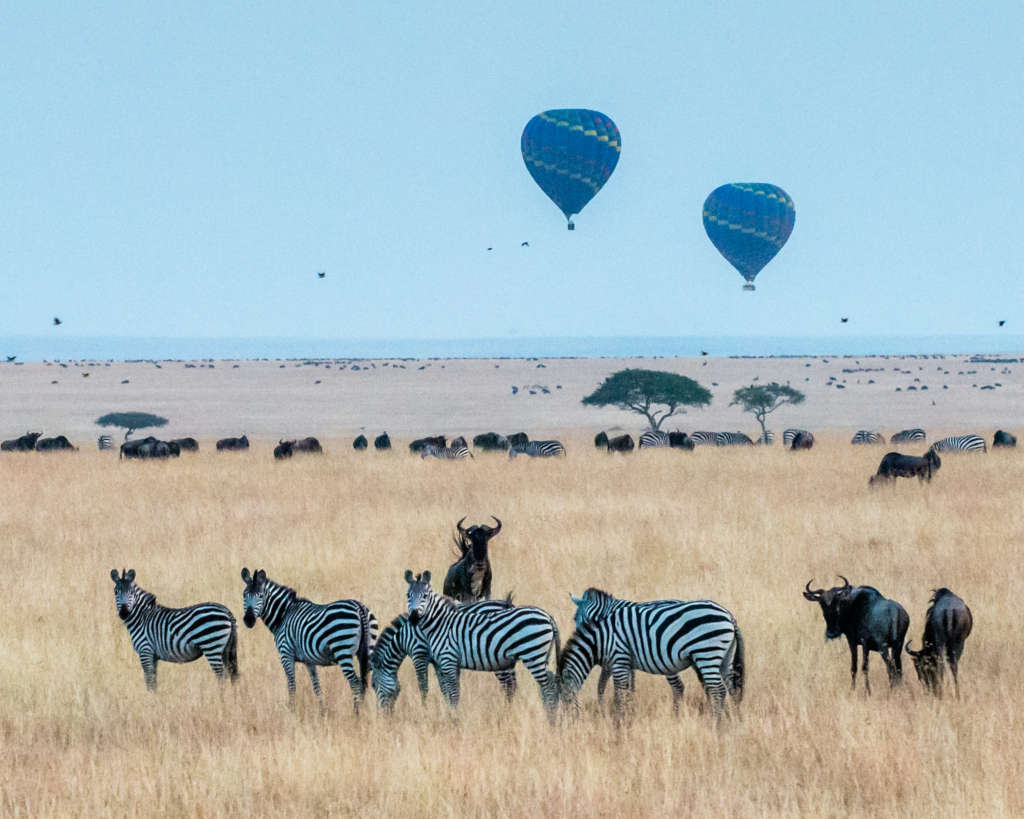
Ngorongoro Crater is celebrated for its remarkable diversity of ecosystems, including grasslands, forests, swamps, soda lakes, and savannah plains. These varied habitats support an estimated 25,000 large animals within the crater itself.
Visitors on safari with Mzanga Safaris can expect to encounter:
- Large herds of wildebeest and zebras
- The endangered black rhino
- Powerful black-maned lions
- Elephants with impressive tusks
- Leopards and cheetahs
- Hyenas and jackals
- Buffaloes and warthogs
- Elands, reedbucks, and hartebeests
- Thomson’s gazelles and impalas
The crater floor’s permanent water sources and nutrient-rich grazing lands sustain wildlife year-round, making Ngorongoro one of the best safari destinations in Africa for consistent game viewing and photography.
Birdlife in Ngorongoro Conservation Area
Bird enthusiasts will find Ngorongoro equally rewarding. More than 100 bird species not commonly found in the Serengeti inhabit the crater and surrounding highlands.
Commonly spotted birds include:
- Flamingos
- Ostriches
- Bustards
- Plovers
- White storks
- Yellow wagtails
- Augur buzzards
- Verreaux’s eagles
- Fiscal shrikes
- Schalow’s wheatears
Seasonal migratory birds arrive between November and May, coinciding with the wet season and creating exceptional birdwatching opportunities.
Activities to Enjoy with Mzanga Safaris
A safari in Ngorongoro offers far more than traditional game drives. Popular activities include:
Game Drives
Explore the crater floor on guided safari drives for close-up wildlife encounters in one of Africa’s most concentrated wildlife areas.
Bird Watching
Discover a rich variety of resident and migratory bird species around lakes, wetlands, and grasslands.
Photography Safaris
Capture dramatic landscapes, abundant wildlife, and stunning sunrise views from the crater rim.
Walking Safaris
Experience nature on foot with guided walking tours through designated areas of the conservation region.
Volcano Trekking
Adventure seekers can trek the scenic volcanoes of the Crater Highlands, including:
- Oldoinyo Lengai
- Empakaai
- Olmoti
- Oldeani
- Lemagurut
Visit Olduvai Gorge
History and archaeology enthusiasts can visit Olduvai Gorge, one of the world’s most important paleoanthropological sites. This famous canyon is where Mary and Louis Leakey discovered early human remains, including the 1.8-million-year-old Australopithecus boisei skull.
Best Time to Visit Ngorongoro Crater
The dry season, from June to October, is considered the best time for wildlife viewing due to shorter grass and easier animal spotting.
However, the wet season from November to May also offers unique advantages:
- Lush green landscapes
- Fewer tourists
- Excellent birdwatching
- Dramatic scenery and photography opportunities
Temperatures on the crater rim can become quite cold, especially between June and August, while the crater floor remains warm during the day.
The Ngorongoro Crater Floor Experience
One of the most remarkable features of the crater floor is Lake Magadi, a shallow soda lake that attracts large flocks of flamingos. The open grasslands surrounding the lake make wildlife viewing exceptionally rewarding.
Common sightings include:
- Lions
- Black rhinos
- Wildebeests
- Zebras
- Gazelles
- Hyenas
The famous hippo pool near Mandusi Swamp is also a favorite picnic stop for safari travelers.
As visitors descend the steep crater road from the rim, they are treated to breathtaking panoramic views and unforgettable encounters with both wildlife and Maasai culture.
Experience Tanzania with Mzanga Safaris
A journey to the Ngorongoro Crater Conservation Area is more than just a safari — it is an opportunity to experience one of the most extraordinary natural wonders on Earth. From dramatic volcanic landscapes to abundant wildlife and fascinating cultural heritage, Ngorongoro promises memories that last a lifetime.
Mzanga Safaris offers expertly guided safari experiences designed to help travelers fully immerse themselves in the beauty and magic of Tanzania’s iconic wilderness destinations.
