 +256 703186428
  +256 760463258
  info@mzangasafaris.com | michaelwamala4@gmail.com

Serengeti National Park
A safari to Serengeti National Park is one of the most unforgettable wildlife experiences in Africa. Renowned for its vast savannahs, abundant wildlife, and the world-famous Great Migration, Serengeti National Park stands as the crown jewel of Tanzania’s safari destinations. With Mzanga Safaris, travelers can experience the breathtaking beauty and raw wilderness that make the Serengeti one of the most celebrated national parks on earth.
Covering approximately 14,763 square kilometers, Serengeti National Park is Tanzania’s largest and oldest national park. It stretches northwards into Kenya’s Maasai Mara ecosystem and westwards toward Lake Victoria, forming one of the most important wildlife conservation areas in Africa.
The word “Serengeti” originates from the Maasai word Siringet, meaning “endless plains,” a fitting description for the park’s sweeping grasslands and open horizons.
The Great Wildebeest Migration
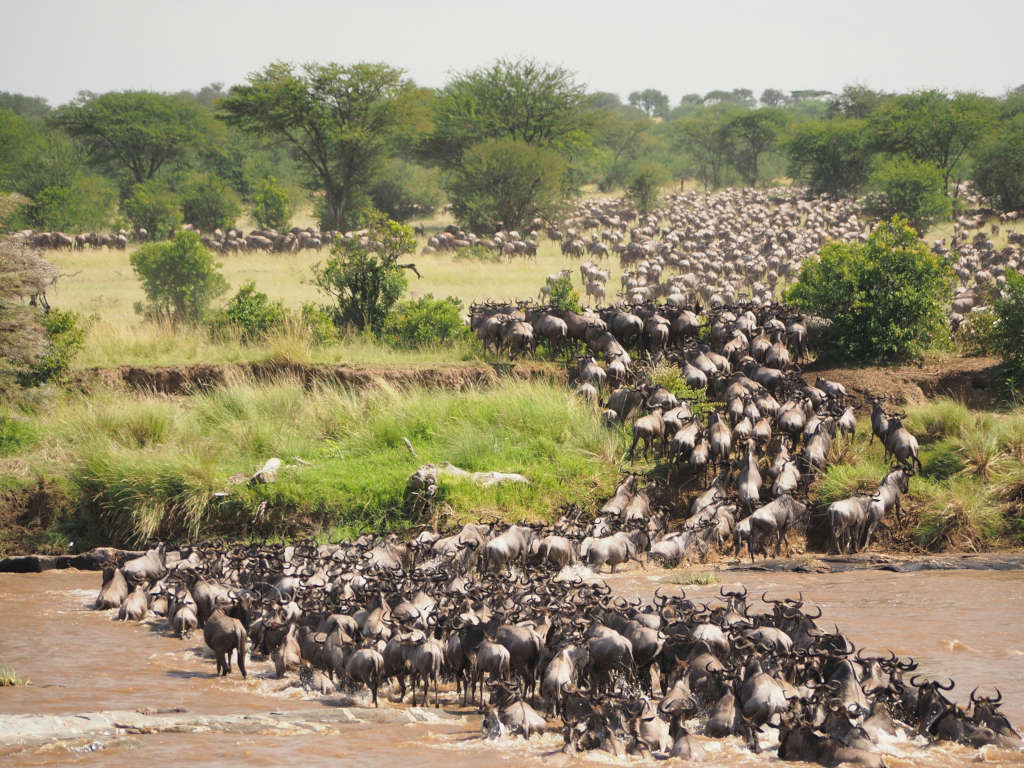
One of the greatest natural spectacles on the planet takes place in the Serengeti every year — the Great Migration. Millions of wildebeests, zebras, and gazelles move across the plains in search of fresh grazing and water, crossing dangerous rivers such as the Grumeti River and the Mara River while facing predators along the way.
This dramatic migration typically occurs between May and October, attracting visitors from around the world. Witnessing thousands of animals charging through crocodile-infested waters is a truly unforgettable safari moment.
History of Serengeti National Park
The Maasai people were the original inhabitants of the Serengeti region, where they grazed cattle across the plains for centuries. The park’s modern conservation history began in the early 20th century when American explorer Stewart Edward White visited the area in 1913.
As wildlife populations, especially lions, began to decline due to hunting activities, the British colonial administration established conservation measures to protect the ecosystem. In 1951, Serengeti was officially declared a national park, making it the oldest national park in Tanzania and a leading symbol of East African tourism.
Today, the Serengeti is recognized as a UNESCO World Heritage Site and remains one of Africa’s most important wildlife sanctuaries.
Wildlife in Serengeti National Park
Serengeti National Park is home to an astonishing variety of wildlife, making it one of the best safari destinations in the world. More than three million large mammals roam the plains, including vast herds of wildebeests, zebras, buffaloes, and antelopes.
Visitors on a Tanzania safari with Mzanga Safaris can encounter the famous “Big Five” alongside numerous other species.
Common Animals Found in the Serengeti
- African elephants
- Lions
- Leopards
- Cheetahs
- Buffaloes
- Black rhinoceroses
- Giraffes
- Hyenas
- Hippos
- Wildebeests
- Zebras
- Warthogs
- Gazelles
- Impalas
- Topis
- Elands
- Waterbucks
The Serengeti is also home to smaller mammals such as baboons, vervet monkeys, mongooses, porcupines, and hyraxes.
Birdlife in the Serengeti
Bird lovers will also find the Serengeti incredibly rewarding. The park hosts over 500 bird species, including both resident and migratory birds.
Some notable bird species include:
- Kori bustards
- Ostriches
- Fish eagles
- Vultures
- Flamingos
- Grey-breasted spurfowl
- Fischer’s lovebirds
- Rufous-tailed weavers
Top Activities in Serengeti National Park
Game Drives
Game drives are among the most popular activities in the Serengeti. Morning and evening drives provide excellent opportunities to spot predators and herbivores in their natural habitat. Guests can witness dramatic wildlife encounters while exploring the park’s diverse landscapes.
Witness the Great Migration
The annual wildebeest migration is the highlight of many Tanzania safaris. Watching thousands of animals move across the plains and rivers in search of greener pastures is both thrilling and awe-inspiring.
Hot Air Balloon Safari
A hot air balloon safari offers a spectacular bird’s-eye view of the Serengeti at sunrise. Floating silently above the plains while observing wildlife below creates an unforgettable safari experience.
Cultural Encounters with the Maasai
Visitors can also interact with the Maasai people, one of East Africa’s most iconic indigenous communities. Cultural tours offer insight into Maasai traditions, customs, music, and daily life.
Major Attractions in Serengeti National Park
Olduvai Gorge
Known as the “Cradle of Mankind,” Olduvai Gorge is one of the world’s most significant archaeological sites. Early human fossils discovered here by Dr. Louis Leakey provided groundbreaking insights into human evolution.
Moru Kopjes
These unique granite rock formations provide shelter for wildlife, especially black rhinos, lions, and leopards. Moru Kopjes also feature ancient Maasai rock paintings.
Retina Hippo Pool
This famous pool is home to large pods of hippos that can be seen swimming, fighting, and resting in the water.
Grumeti River
The Grumeti River is one of the most dramatic migration crossing points in the Serengeti. Massive Nile crocodiles lie in wait as herds attempt to cross the river during migration season.
Seronera Valley
Seronera Valley is considered the heart of the Serengeti ecosystem. With rivers, grasslands, and abundant wildlife, it is one of the best areas for year-round game viewing.
Accommodation in Serengeti National Park
Mzanga Safaris offers a range of accommodation options to suit every traveler’s comfort and budget. Popular lodges and camps in and around the park include:
- Serengeti Sopa Lodge
- Seronera Wildlife Lodge
- Soroi Serengeti Camp
- Serengeti Heritage Tented Camp
- Singita Mara River Camp
- Robanda Tented Camp
- Mapito Tented Camp
- Lobo Wildlife Lodge
- Lake Masek Tented Camp
These accommodations provide excellent comfort, scenic surroundings, and easy access to wildlife viewing areas.
How to Get to Serengeti National Park
The most convenient way to reach the Serengeti is by flying into Kilimanjaro International Airport near Arusha. From there, travelers can either take a domestic charter flight directly into the park or embark on an adventurous road safari.
Driving from Arusha to Serengeti National Park typically takes around 8 hours and offers scenic views of Tanzania’s countryside and conservation areas.
Why Visit Serengeti National Park?
A visit to Serengeti National Park is more than just a safari — it is a journey into one of the last truly wild places on earth. From the endless plains and dramatic wildlife encounters to the rich cultural heritage and breathtaking landscapes, the Serengeti offers an unmatched African safari experience.
With Mzanga Safaris, travelers can explore this iconic destination with experienced guides, comfortable accommodations, and expertly crafted safari itineraries designed to create lifelong memories.
