 +256 703186428
  +256 760463258
  info@mzangasafaris.com | michaelwamala4@gmail.com

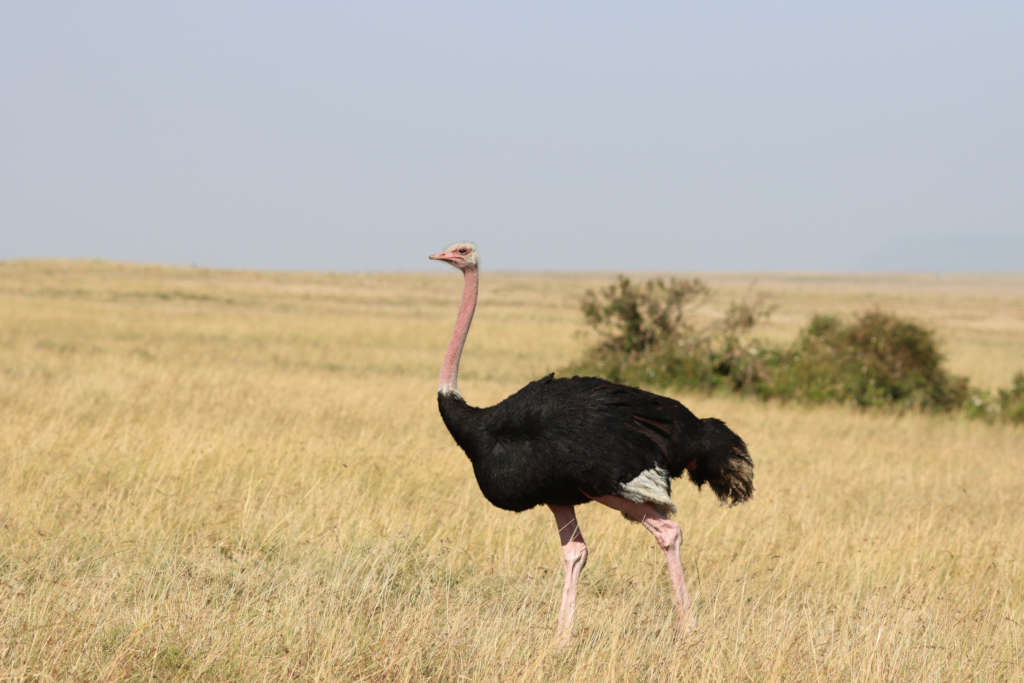
Kidepo Valley National Park
Nestled in the remote northeastern corner of Uganda, Kidepo Valley National Park is one of Africa’s most spectacular and unspoiled wilderness destinations. Located within the rugged landscapes of the Karamoja region along the borders of South Sudan and Kenya, the park covers approximately 1,442 square kilometers of vast savannah plains, rocky outcrops, seasonal river valleys, and dramatic mountain ranges. Surrounded by the Napore-Nyagia Mountains, Mount Morungole, and the Lotukei Mountains, Kidepo offers some of the most breathtaking scenery found anywhere in East Africa.
Despite its semi-arid environment, the park supports abundant wildlife thanks to seasonal rivers such as the Narus and Kidepo Rivers, which provide vital water sources throughout the year. Its remote location and low visitor numbers make it one of Uganda’s most authentic safari destinations, offering a true wilderness experience far from the crowds.
History of Kidepo Valley National Park
Before becoming a national park, the Kidepo region was inhabited by the Dodoth pastoralists, a subgroup of the Karamojong people, as well as the Ik community, who lived on the surrounding hills and mountains. The area was rich in Borassus palm trees, whose fruits were widely used by local communities. The name “Kidepo” is derived from the Dodoth phrase “a kidepo,” meaning “to pick up.”
In 1958, the area was designated as a protected reserve to safeguard its wildlife and natural habitats from increasing environmental degradation caused by bush burning, poaching, and human-wildlife conflicts. It was officially gazetted as a national park in 1962, becoming one of Uganda’s most important conservation areas. Today, visitors can still explore the rich cultural heritage of the region through community visits organized by Mzanga Safaris, including interactions with the Ik people who now reside on the slopes of Mount Morungole.
Climate and Best Time to Visit
Kidepo Valley National Park experiences a warm semi-arid climate, with temperatures typically ranging between 21°C and 34°C throughout the year. The park receives a single rainy season from April to August, during which the landscape becomes greener and birdlife is particularly abundant.
The dry season, which runs from September to March, is generally considered the best time for wildlife viewing. During these months, animals congregate around the remaining water sources, making them easier to spot during game drives. The period from September to November is especially rewarding, offering excellent opportunities to observe large buffalo herds, predators, and a variety of plains game.
Wildlife in Kidepo Valley National Park
Kidepo Valley National Park is widely regarded as one of Uganda’s most wildlife-rich protected areas. The park is home to more than 77 mammal species, over 475 bird species, and hundreds of plant species that thrive across its diverse habitats.
One of Kidepo’s greatest attractions is the presence of several animal species rarely found elsewhere in Uganda. These include cheetahs, striped hyenas, bat-eared foxes, klipspringers, and caracals. Visitors may also encounter elephants, buffaloes, lions, leopards, zebras, giraffes, elands, hartebeests, oribis, waterbucks, and numerous other antelope species.
The Narus Valley is particularly famous for its year-round wildlife concentrations, making it one of the best areas in the park for game viewing. Lions are often seen resting on rocky outcrops, while large herds of buffaloes and elephants roam the open plains below.
Birdlife
With more than 475 recorded bird species, Kidepo is a paradise for birdwatchers. The park hosts several species that are difficult to find elsewhere in Uganda, including the Black-breasted Barbet, Karamoja Apalis, Verreaux’s Eagle, Ostrich, and the impressive Lammergeier, also known as the Bearded Vulture.
The diverse habitats of grasslands, woodlands, river valleys, and wetlands provide exceptional birding opportunities throughout the year, particularly during the rainy season when migratory species are present.
Top Activities in Kidepo Valley National Park
Game Drives
Game drives are the highlight of any visit to Kidepo. Morning and evening safaris through the Narus Valley and surrounding plains offer excellent opportunities to observe lions, elephants, buffaloes, zebras, giraffes, cheetahs, and numerous antelope species in their natural environment. Guided game drives with Mzanga Safaris provide expert interpretation of wildlife behavior and the park’s unique ecosystems.
Bird Watching
Birdwatching excursions are highly rewarding due to the park’s remarkable avian diversity. Experienced guides help visitors identify both resident and migratory species while exploring some of the park’s most productive birding areas.
Nature Walks and Hiking
Guided nature walks provide an intimate way to experience Kidepo’s landscapes and wildlife. Visitors can explore scenic trails, learn about local flora and fauna, and enjoy spectacular views of the surrounding mountains and valleys.
One of the most popular hikes leads to the Kanangorok Hot Springs, located near the South Sudan border. The hike offers beautiful scenery and opportunities to observe wildlife along the way.
Cultural Experiences
The cultural heritage of the Karamoja region is one of Kidepo’s most fascinating attractions. Visitors can interact with the Karamojong and Ik communities, learn about traditional lifestyles, visit manyattas, enjoy cultural performances, and gain insight into centuries-old customs and traditions. Mzanga Safaris organizes authentic cultural experiences that enrich every safari journey.
Photography and Scenic Viewing
Kidepo’s dramatic landscapes provide exceptional photography opportunities. From golden savannah plains and rugged mountain ranges to wildlife-filled valleys and spectacular sunsets, every corner of the park offers breathtaking views.
Accommodation in Kidepo Valley National Park
Kidepo Valley National Park offers accommodation options for all types of travelers. Luxury visitors can enjoy the renowned Apoka Safari Lodge, which provides exceptional comfort and panoramic views of the wilderness. Mid-range travelers can choose from lodges and safari camps around the park, while budget-conscious visitors can stay at campsites and bandas that offer a more rustic safari experience.
Whether seeking luxury, comfort, or adventure, visitors can find accommodation that suits their preferences while remaining close to the park’s major attractions.
How to Get to Kidepo Valley National Park
Mzanga Safaris offers convenient travel arrangements to Kidepo Valley National Park by both road and air.
By Air:
Chartered and scheduled domestic flights operate from Entebbe International Airport or Kajjansi Airfield to Lomej Airstrip, located a short distance from the park headquarters. Flying is the fastest and most comfortable way to reach the park.
By Road:
Travel by road takes approximately 10 to 11 hours depending on the chosen route. Popular routes pass through Gulu, Kitgum, Moroto, Kotido, and Soroti, offering travelers an opportunity to experience Uganda’s diverse landscapes and cultures. A four-wheel-drive vehicle is highly recommended for the journey.
Discover Kidepo with Mzanga Safaris
Kidepo Valley National Park is one of Africa’s last truly wild frontiers. Its remote location, dramatic scenery, abundant wildlife, exceptional birdlife, and rich cultural heritage combine to create an unforgettable safari experience. Whether you are searching for rare wildlife encounters, breathtaking landscapes, or authentic cultural interactions, Kidepo offers an adventure unlike any other.
With expertly crafted itineraries, professional guides, comfortable accommodations, and personalized service, Mzanga Safaris ensures that every journey to Kidepo Valley National Park becomes a memorable exploration of Uganda’s most untamed wilderness
